Last Updated on 4 May 2026 by Heavensa
Get Your Garden in Shape: The Ultimate Guide to Pruning at the Right Time
Are you looking to take your gardening skills to the next level? If so, pruning is an essential skill that every gardener should master. Pruning is a process of selectively removing specific parts of a plant, such as branches, buds, or roots, to help improve its health, shape, and overall appearance. In this ultimate guide, we will provide you with everything you need to know about pruning, from what it is and its benefits to how to prune different types of plants and common mistakes to avoid.
Introduction to Pruning
Pruning has been an essential part of gardening for centuries. It is a practice that has been passed down from generation to generation and is still relevant today. Pruning helps to keep your plants healthy, productive, and aesthetically pleasing. It can also help to prevent disease and insect infestations, promote new growth, and improve air circulation and sunlight penetration.
What is Pruning?
Pruning is the process of selectively removing specific parts of a plant, such as branches, buds, or roots, to help improve its health, shape, and overall appearance. It is a common gardening technique that is used to control the size and shape of plants, remove dead or damaged parts, and promote healthy growth. Pruning can be done at any time of the year, depending on the type of plant and the reason for pruning.
Benefits of Pruning
Pruning has many benefits, including:
- Promoting healthy growth: Pruning can help to stimulate new growth, especially on older plants that may have become woody or unproductive.
- Controlling plant size: Pruning can help to control the size of a plant, making it easier to manage and maintain.
- Removing diseased or damaged parts: Pruning can help to remove diseased or damaged parts of a plant, preventing the spread of disease or insect infestations.
- Improving plant appearance: Pruning can help to improve the overall appearance of a plant, making it more attractive and aesthetically pleasing.
- Increasing fruit and flower production: Pruning can help to increase fruit and flower production on certain types of plants, such as fruit trees and roses.
Types of Pruning
There are several types of pruning that you should be familiar with:
- Pinching: Pinching is a type of pruning that involves removing the tips of young plant shoots. This technique is used to encourage branching and promote bushy growth.
- Thinning: Thinning is a type of pruning that involves removing entire branches or stems. This technique is used to control the size of a plant and improve its overall shape.
- Heading back: Heading back is a type of pruning that involves removing the tips of branches or stems. This technique is used to encourage growth and improve the overall shape of a plant.
- Rejuvenation: Rejuvenation is a type of pruning that involves cutting back an entire plant to stimulate new growth. This technique is used on older plants that have become woody or unproductive.
When to Prune Different Types of Plants
The timing of pruning depends on the type of plant you are working with. Here are some general guidelines:
- Deciduous trees and shrubs: Prune these plants in late winter or early spring before new growth begins.
- Evergreen trees and shrubs: Prune these plants in late winter or early spring before new growth begins.
- Fruit trees: Prune these trees in late winter or early spring before new growth begins.
- Roses: Prune these plants in late winter or early spring before new growth begins and again in the summer after flowering.
- Perennials: Prune these plants in late winter or early spring before new growth begins.
How to Prune Different Types of Plants
The actual technique of pruning varies depending on the type of plant you are working with. Here are some general guidelines:
- Trees and shrubs: When pruning trees and shrubs, start by removing any dead or diseased branches. Then, thin out any branches that are crossing or rubbing against each other. Finally, shape the plant by selectively removing branches to improve its overall appearance.
- Fruit trees: When pruning fruit trees, start by removing any dead or diseased branches. Then, thin out any branches that are crossing or rubbing against each other. Finally, remove any suckers that grow from the base of the tree.
- Roses: When pruning roses, start by removing any dead or diseased branches. Then, thin out any branches that are crossing or rubbing against each other. Finally, shape the plant by selectively removing branches to improve its overall appearance.
- Perennials: When pruning perennials, start by removing any dead or diseased foliage. Then, remove any spent flowers to encourage new growth.
Tools for Pruning
Having the right tools is essential for successful pruning. Here are some tools that every gardener should have:
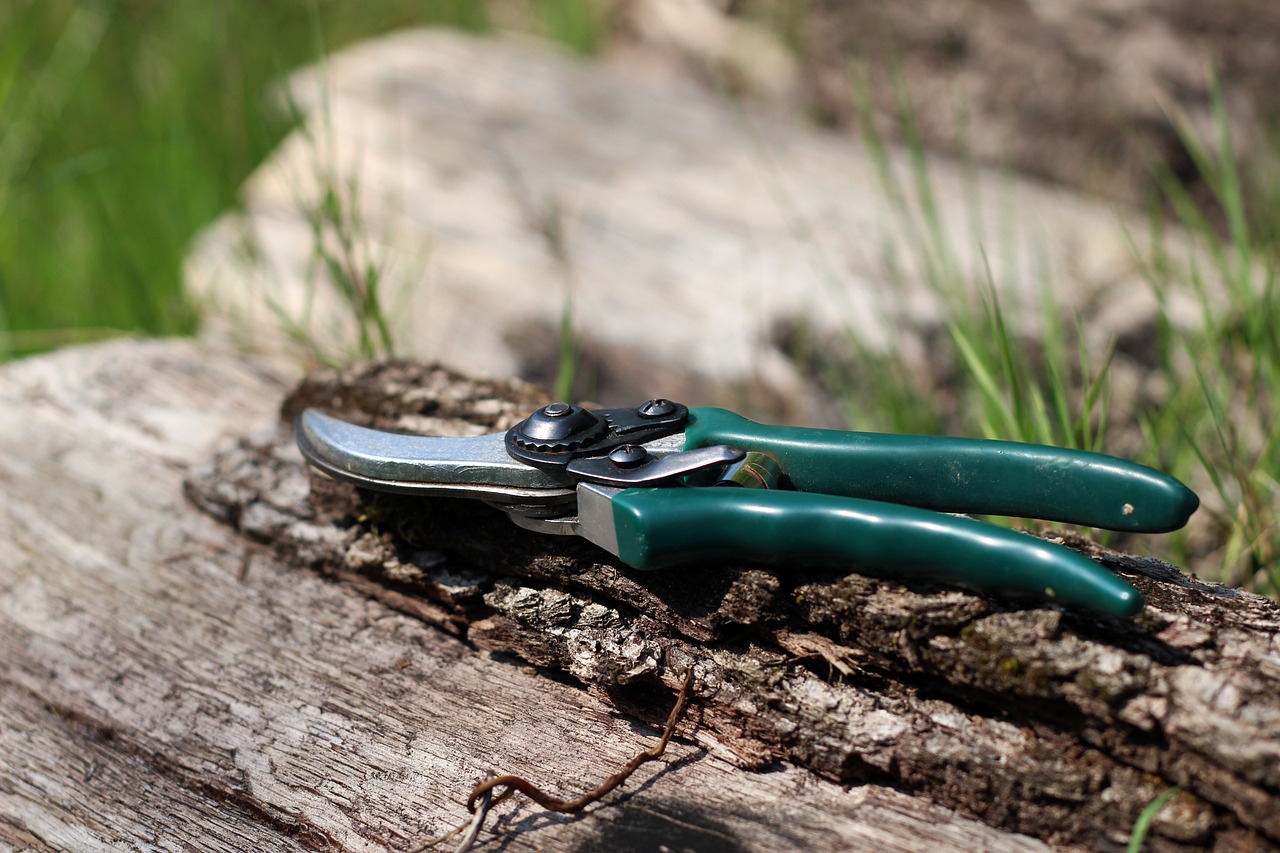
- Pruning shears: Pruning shears are used for cutting small branches and stems.
- Loppers: Loppers are used for cutting larger branches and stems.
- Pruning saw: A pruning saw is used for cutting larger branches and stems that are too thick for loppers.
- Hedge shears: Hedge shears are used for shaping hedges and other shrubs.
- Gloves: Gloves are essential for protecting your hands while pruning. If you’re in Texas and want expert advice on maintaining your lawn and outdoor plants, a trusted turf company in Fort Worth can help you choose the right approach for seasonal garden care.
Tips for Successful Pruning
Here are some tips for successful pruning:
- Always use sharp tools to make clean cuts.
- Start by removing any dead or diseased parts of the plant.
- Remove any crossing or rubbing branches to improve air circulation and sunlight penetration.
- Make cuts at a 45-degree angle to promote healing.
- Step back and assess the plant’s shape and appearance as you prune.
Common Pruning Mistakes to Avoid
Here are some common pruning mistakes to avoid:
- Over pruning: Over pruning can weaken a plant and make it more susceptible to disease and insect infestations.
- Pruning at the wrong time: Pruning at the wrong time can damage the plant and prevent it from growing properly.
- Pruning too aggressively: Pruning too aggressively can damage the plant and make it difficult to recover.
Conclusion
Pruning is an essential skill that every gardener should master. It can help to improve the health, shape, and overall appearance of your plants, making your garden more beautiful and productive. By following the guidelines outlined in this ultimate guide, you can become a successful pruner and take your gardening skills to the next level. So, get out there and start pruning!

Heavensa also known as Heaven’s A Dreamy Life is the digital home of Gee, a UK-based content creator and entrepreneur.