Social media has become a constant in our lives. It is where we connect with friends, stay informed, and find inspiration. But let’s face it, it is not all rainbows and #TBT posts. Having spent over 11 years as a content creator, I have experienced firsthand the highs and lows of social media. It is a world where connection and creativity collide with anxiety, comparison, and even the dreaded doom scrolling.
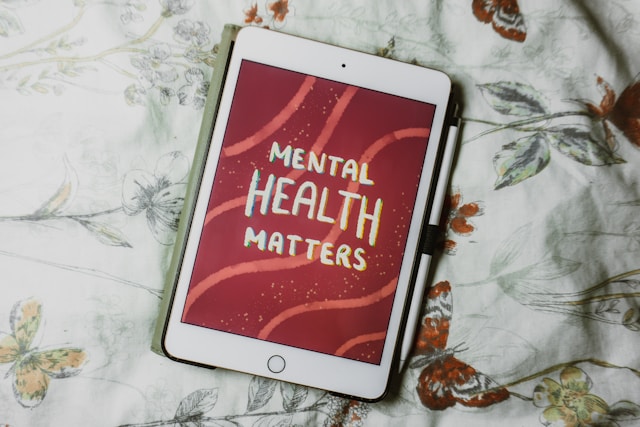
To explore these complex dynamics, Click Consult surveyed 1,000 individuals for their campaign Behind the Screens: What Social Media is Really Doing to Our Mental Health. Their findings offer a fascinating insight into how different generations feel about social media and its impact on mental wellbeing. Spoiler: it’s not a one-size-fits-all story.
The Positives: Connection and Inspiration
When respondents were asked to describe how social media makes them feel in one word, 45% chose something positive. Words like “connected,” “informed,” and “happy” cropped up repeatedly, painting a picture of the good side of these platforms. “Connected” was the most frequently used, appearing 125 times. Many shared how social media helps them maintain relationships and stay informed about the world and I definitely agree with that.
One respondent captured this sentiment perfectly: “It helps me feel connected to people and the world.” Another shared, “As someone who can’t get out much, it’s a lifeline.” For many, particularly those in isolating circumstances, social media offers a sense of belonging and I’ve really felt that too as a disabled woman.
Research backs this up. Studies from the Journal of Medical Internet Research and the Trevor Project highlight how online communities, particularly those for marginalised groups, provide essential support. LGBTQ+ youth, for example, often find affirming spaces and connections online.
Social media also shines as a tool for education and inspiration. Words like “inspired,” “interested,” and “entertained” were frequently mentioned. Respondents noted they follow accounts that share valuable information or spark creativity. One shared, “I use social media to learn and stay curious about the world.”
The Negatives: Overload and Anxiety
Of course, it’s not all good news. While 45% of respondents shared positive feelings, 37.5% expressed negative emotions like “overwhelmed,” “anxious,” and “frustrated.” The word “overwhelmed” topped the list, often linked to the never-ending barrage of content and the pressure to keep up. Again this is something I can heavily relate to.
“Doom scrolling” – compulsively scrolling through negative or anxiety-inducing content – was a recurring theme. One respondent admitted, “I get sucked in and hours pass, leaving me feeling worse.” This phenomenon can fuel stress, burnout, and even physical discomfort from too much screen time.
Judgment and trolling were also highlighted as significant downsides. “There’s so much aggression online,” one person shared, while another explained how they manage this by curating their feed: “I limit my friends list to keep things positive.”
Younger generations, particularly Gen Z and Millennials, reported spending four to seven hours a day on social media. Unsurprisingly, they are more likely to report negative mental health impacts. Studies, like one from Lancaster University, have shown that excessive social media use correlates with increased depression symptoms, particularly in teenage girls.
Generational Divide
Interestingly, the Silent Generation (born 1928–1945) reported minimal effects on their mental health from social media. Many attributed this to their limited screen time – over 90% spend less than an hour a day online – and a general scepticism toward content. As one respondent put it, “I don’t believe everything I see on social media.” Which honestly I wish more people would be like this.
Younger generations, on the other hand, are more immersed in these platforms, with nearly 20% of Gen Z spending over seven hours a day scrolling. This constant exposure may exacerbate feelings of inadequacy and contribute to mental health challenges.
Finding Balance
So, is social media good or bad for our mental health? The answer lies in balance. Positive psychologist Anna Shears suggests it is all about intentional use. “Disproportionate or excessive use can have negative consequences,” she explains, “but when used meaningfully, social media can be a powerful tool for connection and support.”
For me, that balance has been a journey. I’ve learned to set boundaries, take breaks, and curate my feeds to avoid the negativity trap. Social media, like any tool, is what you make of it.
Click Consult’s campaign is a reminder to reflect on how we use these platforms and how they affect us. If you are curious about their findings, check out Behind the Screens: What Social Media is Really Doing to Our Mental Health here. Let’s keep the conversation going and work toward a healthier relationship with our screens.

Heavensa also known as Heaven’s A Dreamy Life is the digital home of Gee, a UK-based content creator and entrepreneur.