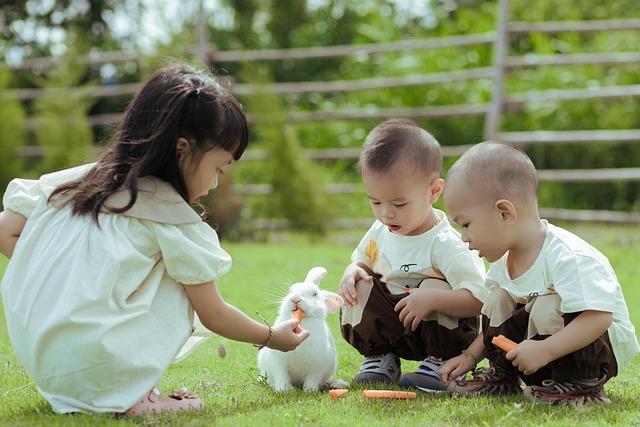
 Strong social skills are essential for children as they navigate friendships, school life and emotional development. While some children are naturally sociable, others may need a little more guidance to build their confidence in social settings. Here are some practical, everyday ways parents and carers can support their child’s social development, inspired by the teachings of this private school in Northampton.
Start with Role Modelling
Children learn a lot by observing the adults around them. When they see you listening attentively, using good manners, showing empathy and managing disagreements calmly, they are more likely to imitate these behaviours.
Simple actions—like saying “please” and “thank you,” making eye contact during conversations, and using respectful language—set a strong example. Try narrating your social actions occasionally (e.g. “I’m going to check how Grandma is feeling because she seemed tired earlier”) to help your child understand the motivation behind them.
Encourage Play from an Early Age
Play is one of the most effective ways children learn how to socialise. From taking turns and sharing toys to resolving disagreements, playtime teaches vital social rules.
Arrange regular playdates, attend local baby or toddler groups, or join after-school clubs. These low-pressure environments offer opportunities to practise social interactions, particularly for children who may be shy or introverted.
Talk About Feelings
Helping your child recognise and express their emotions is key to developing empathy and communication skills. Use everyday moments to name emotions (e.g. “You look frustrated—was it because you couldn’t finish your puzzle?”) and talk about how others might feel in different situations.
Books, TV shows and role-play scenarios can also provide opportunities to discuss characters’ feelings and choices, helping children build their emotional vocabulary and social understanding.
Teach Conversation Skills
Basic conversation skills—such as greetings, asking questions, and taking turns speaking—can be taught through fun and gentle practice. Try playing games that involve back-and-forth discussion, or set up pretend scenarios like “playing shop” or “visiting the doctor” to practise polite exchanges.
If your child struggles to join group conversations, role-play what to say or do ahead of time. Praising small efforts like saying hello to a peer or asking someone to play can boost confidence significantly.
Support, But Don’t Hover
While it’s important to support your child, it’s equally important to give them space to practise their skills. If your child has a disagreement during a playdate, try not to intervene immediately. Instead, observe how they handle it and step in only when necessary, offering gentle guidance rather than taking over.
This balance helps children learn resilience, problem-solving, and the ability to advocate for themselves—all crucial social tools.
Be Patient and Celebrate Progress
Social development is a gradual process. Every child is different, and it’s perfectly normal for some to take longer to feel comfortable in social settings. Celebrate small milestones and offer consistent encouragement.
Over time, with practice, patience and support, your child will grow in confidence and develop the tools they need to build meaningful relationships.

Heavensa also known as Heaven’s A Dreamy Life is the digital home of Gee, a UK-based content creator and entrepreneur.