Last Updated on 31 January 2024 by Heavensa
Decode Your Child’s Learning Style: Unlock their Potential!
Understanding your child’s learning style is a key factor in helping them thrive academically and personally. Each child is unique, and recognising their individual learning preferences can make a significant difference in their educational journey. In this blog, drawing inspiration from the approaches adopted by this independent school in Surrey, we’ll explore various learning styles and provide insights on how parents can identify and support their child’s specific way of learning.
- Visual Learners: Visual learners grasp information best through images, charts, and diagrams. They tend to remember what they see rather than what they hear. To identify if your child is a visual learner, observe their preference for visual aids during study sessions, their interest in drawing, or their ability to recall information from images or videos.
- Auditory Learners:Auditory learners have a unique way of processing information, and understanding their learning style can greatly enhance their educational experience. Here’s an expanded explanation of the characteristics and strategies for identifying auditory learners:Auditory learners are individuals who excel when it comes to absorbing and retaining information presented in an auditory format. They thrive on spoken information, which means they remember what they hear much more effectively than information presented visually or kinesthetically. Identifying whether your child is an auditory learner can be valuable for tailoring their educational experiences to better suit their strengths.One common trait of auditory learners is their strong inclination towards listening to instructions. These children tend to be more attentive and engaged when someone is explaining concepts verbally. They may excel in a classroom setting where the teacher provides explanations through lectures and discussions. You might notice that they respond well to oral instructions and are quick to grasp concepts when explained verbally.Furthermore, auditory learners often have a natural affinity for storytelling. They enjoy narratives, both listening to them and creating their own. These children have a knack for remembering details of stories, including character names, plot twists, and key events, because they process and retain information more effectively when it’s presented in a narrative form.Another indicator of auditory learners is their tendency to remember information through verbal repetition. They might repeat facts, instructions, or even their own thoughts aloud as a way to reinforce their understanding. This practice of verbal repetition helps them internalize information and solidify their grasp of it.
To support an auditory learner’s educational journey, it’s important to cater to their preferred learning style. Here are some strategies for parents and educators:
- Encourage discussions and conversations: Engage your child in meaningful discussions about various topics. Allow them to ask questions and express their thoughts verbally.
- Provide audio materials: Offer audiobooks, podcasts, or recorded lectures as supplementary learning resources. Auditory learners often find these resources highly effective for absorbing information.
- Create mnemonic devices: Help your child develop mnemonic devices or rhymes that involve verbal repetition. These memory aids can make it easier for them to remember key facts.
- Incorporate music: Music can be a powerful tool for auditory learners. Consider using songs or musical mnemonics to help them remember facts or concepts.
- Use verbal instructions: When giving assignments or tasks, provide clear and concise verbal instructions. Ask your child to repeat the instructions back to ensure comprehension.
- Encourage active listening: Teach your child active listening skills, such as taking notes while listening to a lecture or summarizing key points after a discussion.
By recognizing and accommodating the auditory learning style of your child, you can help them thrive academically and develop effective study habits that align with their natural strengths. This approach can lead to a more enjoyable and productive learning experience for auditory learners.
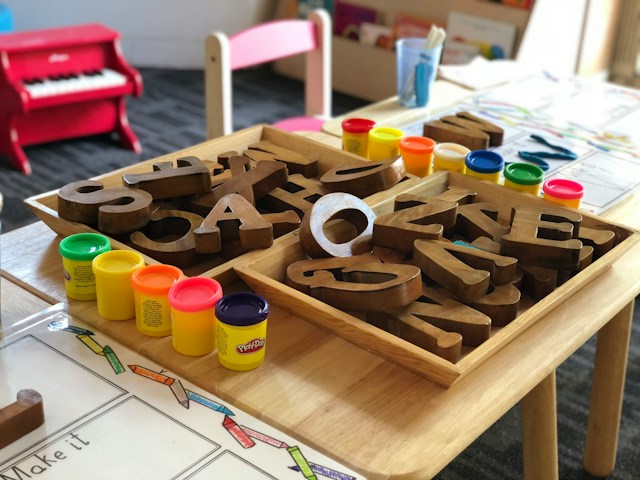
- Kinaesthetic Learners: Kinaesthetic learners learn best through hands-on experiences and physical activities. They have a strong need for movement and may struggle to sit still for long periods. To identify if your child is a kinaesthetic learner, observe their eagerness to participate in hands-on activities, their preference for learning by doing, or their restlessness during traditional teaching methods.
- Reading/Writing Learners: Some children prefer to process information through written language. These learners excel in reading and writing activities and often enjoy taking notes. To identify if your child is a reading/writing learner, notice their enthusiasm for reading books, their interest in writing stories or essays, and their inclination to jot down notes while studying.
- Social Learners: Social learners thrive in group settings and collaborative activities. They enjoy discussions, group projects, and learning through interaction with others. To identify if your child is a social learner, observe their preference for group study sessions, their ability to understand concepts through group discussions, and their enjoyment of team-based learning activities.
- Solitary Learners: In contrast, solitary learners prefer to work independently. They excel when given the opportunity to focus without distractions. To identify if your child is a solitary learner, observe their comfort in studying alone, their ability to concentrate in a quiet environment, and their preference for independent research.
Understanding your child’s learning style is a continuous process that involves observation, communication, and flexibility. It’s essential to recognise that children may have a combination of learning styles, and their preferences can evolve over time. By identifying and embracing your child’s unique learning style, you can tailor their educational experiences to enhance their strengths and address any challenges they may face. This personalised approach fosters a positive and effective learning environment, setting the stage for your child’s academic success and personal growth.

Heavensa also known as Heaven’s A Dreamy Life is the digital home of Gee, a UK-based content creator and entrepreneur.