Unlocking Efficiency: 5 Strategies to Boost Your Home Office Productivity
Introduction to Home Office Productivity
The concept of ‘home office productivity’ might sound somewhat paradoxical. After all, the home is generally associated with relaxation and leisure, whereas the office is linked with work and productivity. But in today’s rapidly evolving digital world, the boundaries between the two have become increasingly blurred. More and more professionals are opting to work from home, either part-time or full-time. As such, the need to maintain and enhance productivity in the home office setting has never been more critical.
The question then arises—how can you ensure optimal productivity while working from home? What strategies can you employ to transform your home office space into a haven of efficiency? In this article, we’ll explore these questions in depth. You’ll uncover various aspects including defining the best home office setup for productivity, the impact of a well-organised workspace, tips for organising your space, investing in the right tools, balancing work and personal life, the role of technology, and handling common challenges.
So, grab a cup of tea, sit back and let’s dive into the world of home office productivity.
Defining the Best Home Office Setup for Productivity
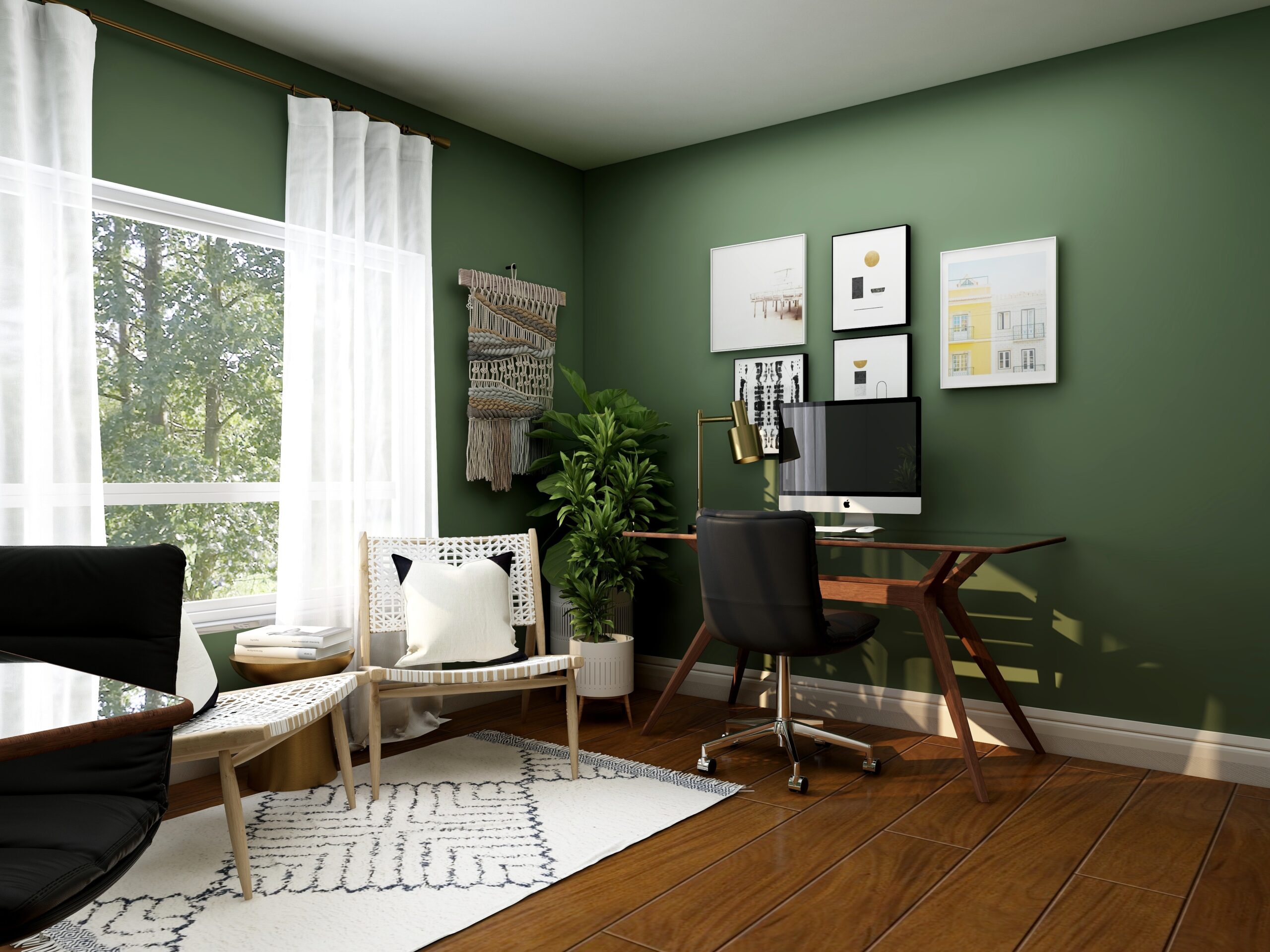
The first step towards boosting your home office productivity begins with creating an environment conducive to work. This means setting up a space that not only caters to your professional needs but also promotes concentration and efficiency. The best home office setup for productivity often involves a quiet, well-lit room with a comfortable chair, a spacious desk, and essential office equipment within easy reach.
Additionally, personalising your workspace can also enhance productivity. Adding a touch of greenery with indoor plants, decorating with inspiring artwork, or including personal mementos can make your home office a place you look forward to spending time in. However, keep in mind that the aim is to create a professional environment that stimulates productivity, not to recreate your living room.
Lastly, consider ergonomics in your home office setup. An ergonomically designed workspace can reduce physical discomfort and the risk of developing musculoskeletal disorders. This can include investing in an adjustable chair, using a separate keyboard and mouse if you’re working on a laptop, and ensuring that your screen is at eye level.
The Impact of a Well-Organised Workspace on Work Efficiency
A well-organised workspace can significantly enhance your work efficiency. Think about it—if your desk is cluttered with papers, cables, and random office supplies, how much time would you spend just looking for a pen or a notepad? Disorganisation can not only waste valuable time but also lead to unnecessary stress and frustration.
By contrast, a neat, and tidy workspace can help streamline your work processes, making it easier to locate documents, equipment, and supplies promptly. This can save you valuable minutes, boosting your overall productivity. Additionally, an organised workspace can also contribute to a clear and focused mind, further enhancing your work efficiency.
Moreover, a well-organised workspace can also project a professional image, especially if you’re in a role that involves video calls or virtual meetings. A tidy background can convey a sense of professionalism and dedication, which can positively affect your work relationships and career growth.
Five Strategies to Boost Your Home Office Productivity
Boosting your home office productivity may seem challenging, but by implementing a few strategies, you can achieve significant improvements.
Organising Your Workspace: Essential Organisation Tips for Work
Organising your workspace is not just about tidying up; it’s about creating a system that aids your workflow. Start by decluttering and getting rid of any unnecessary items. Then, organise your work tools and documents in a way that’s intuitive and easy for you to navigate. Use desk organisers, folders, and labels to keep everything in its place.
Investing in the Right Tools for Your Home Office
The right tools can make a world of difference in your productivity. This can range from a high-quality office chair for comfort, a second monitor for multitasking, or productivity software that helps manage your tasks and time. Do your research and invest in tools that best suit your work style and needs.
Balancing Work and Personal Life in a Home Office Setting
Balancing work and personal life can be challenging when your home and office are the same place. Establish clear boundaries—designate specific work hours and stick to them. Avoid doing household chores during work hours and similarly, refrain from working during your personal time.
The Role of Technology in Enhancing Home Office Productivity
Technology can be a significant driver of home office productivity. From project management tools to video conferencing software, there are countless apps and platforms designed to enhance productivity. However, it’s essential to use technology wisely—excessive reliance can lead to distractions and time waste.
Common Challenges in Maintaining Home Office Productivity and How to Overcome Them
Working from home comes with its own set of challenges. Isolation, distractions, and the lack of a structured work environment can hamper productivity. To combat these, establish a regular routine, create a dedicated workspace, and stay connected with colleagues and peers.
Conclusion
Boosting your home office productivity is not a one-time task, but an ongoing process. It involves continually evaluating and improving your workspace, work habits, and tools. With the right strategies and a proactive approach, you can transform your home office into a hub of efficiency and productivity. Remember, the key is to create a work environment that not only meets your professional needs but also contributes to your overall wellbeing and work satisfaction.

Heavensa also known as Heaven’s A Dreamy Life is the digital home of Gee, a UK-based content creator and entrepreneur.