Last Updated on 18 December 2024 by Heavensa
Play is the cornerstone of a child’s development, forming the foundation for their physical, emotional, and social growth. It provides children with the opportunity to explore, learn, and interact with their surroundings, fostering essential life skills that are invaluable as they mature. Both indoor and outdoor play are equally significant, each offering unique benefits that contribute to a child’s well-rounded development. Whether through the imaginative possibilities of a maisonnette or the boundless energy release in an aire de jeux, children thrive when given the chance to play in varied settings.
Why Indoor and Outdoor Play Are Crucial for a Child’s Growth
The Role of Indoor Play in Child Development
Indoor play often takes place in controlled, safe environments that allow children to focus on activities requiring concentration and creativity. This form of play is essential for cognitive development, problem-solving skills, and emotional expression. For example, activities like building with blocks, engaging in pretend play, or solving puzzles can strengthen a child’s ability to think critically and creatively.
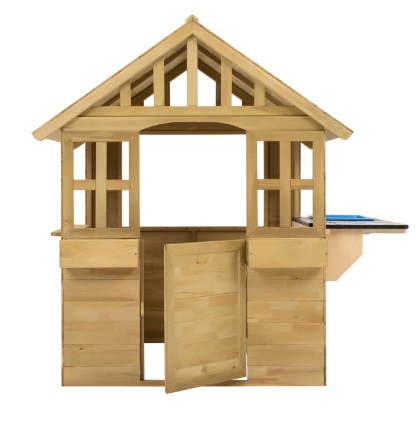
A maisonnette, or small indoor playhouse, is an excellent example of how indoor play can stimulate creativity and imagination. These compact structures provide a child with a designated space to explore make-believe scenarios, practice social roles, and create stories. Such activities promote language development and help children express themselves more confidently. Additionally, the collaborative nature of sharing a maisonnette encourages social skills such as cooperation, negotiation, and conflict resolution.
Indoor play also caters to a child’s need for relaxation and comfort. It can serve as a calm counterpart to the more energetic nature of outdoor play, providing an environment where children can reflect, read, or engage in low-energy activities. This balance is particularly beneficial for maintaining emotional well-being and resilience.
The Importance of Outdoor Play
While indoor play offers structure and creativity, outdoor play is essential for physical health and overall development. Outdoor environments provide children with opportunities to engage in active play, which is critical for building strength, coordination, and endurance. Activities like climbing, running, and jumping are not only enjoyable but also necessary for developing gross motor skills.
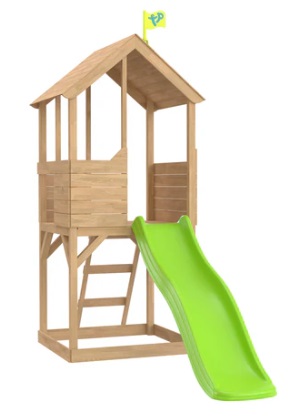
An aire de jeux, or playground, is a quintessential outdoor setting where children can explore physical activity in a fun and engaging manner. Playgrounds often feature equipment such as swings, slides, and climbing frames, all of which encourage movement and help improve balance, agility, and muscle development. The open nature of an aire de jeux also gives children the freedom to run and play games, fostering a sense of independence and self-confidence.
Beyond physical benefits, outdoor play supports mental health. Exposure to sunlight and fresh air has been shown to reduce stress and improve mood in both children and adults. Additionally, outdoor play stimulates sensory development. Children encounter various textures, sounds, and sights in natural settings, which enrich their sensory experiences and enhance their understanding of the world.
Outdoor play also nurtures a connection with nature, fostering environmental awareness from a young age. Activities such as gardening, exploring parks, or simply observing wildlife can cultivate a child’s appreciation for the natural world, instilling values of sustainability and care for the environment.
The Balance Between Indoor and Outdoor Play
Achieving a balance between indoor and outdoor play is crucial for holistic child development. Both types of play offer distinct advantages that, when combined, create a comprehensive framework for growth. For example, a child may use a maisonnette to role-play and practise problem-solving indoors, then transfer those skills to cooperative games and social interactions in an aire de jeux.
It’s important for parents and educators to provide opportunities for both forms of play. Structured indoor activities can be complemented by free play outdoors, allowing children to benefit from a range of developmental stimuli. Encouraging children to alternate between indoor and outdoor play not only prevents boredom but also helps them adapt to different environments and challenges.
Overcoming Barriers to Play
Despite the clear benefits of both indoor and outdoor play, modern lifestyles often present barriers. Busy schedules, screen time, and safety concerns can limit children’s opportunities to engage in free play. However, recognising these challenges can help parents and caregivers make conscious efforts to prioritise playtime.
For indoor play, creating a dedicated play area equipped with tools like a maisonnette or arts and crafts supplies can encourage creativity and exploration. Limiting screen time and ensuring that play areas are inviting and stimulating can also help children stay engaged.
For outdoor play, choosing safe and accessible spaces like an aire de jeux or local park is key. Parents can plan regular outings to these spaces, encouraging children to explore their surroundings while ensuring their safety. Additionally, organised outdoor activities such as sports or nature walks can supplement unstructured free play, providing children with varied experiences.
The Lifelong Impact of Play
The benefits of play extend far beyond childhood, laying the foundation for skills and behaviours that remain valuable throughout life. Indoor play cultivates cognitive abilities, emotional intelligence, and creative thinking, while outdoor play promotes physical health, resilience, and a sense of community. Together, they form a powerful combination that equips children to navigate the complexities of the world with confidence and enthusiasm.
Incorporating elements like a maisonnette or visits to an aire de jeux into a child’s routine can enhance these benefits, providing them with tools and spaces to grow and thrive. By fostering a culture that values both indoor and outdoor play, parents, educators, and communities can ensure that children receive the balanced development they deserve.
Conclusion
Play is an essential aspect of childhood, contributing to every dimension of a child’s growth. Whether it’s the imaginative world of a maisonnette or the dynamic challenges of an aire de jeux, both indoor and outdoor play hold immense value. Together, they provide children with the tools to develop physically, mentally, and socially, ensuring a bright and promising future. By prioritising diverse play opportunities, we can create an environment where every child has the chance to flourish.

Heavensa also known as Heaven’s A Dreamy Life is the digital home of Gee, a UK-based content creator and entrepreneur.